

- Operational efficiency: savings that compound
- Compliance: staying ahead of rules and incentives
- Productivity: design that helps people work better
- Brand reputation: sustainability as a differentiator
- Scalability and future readiness
- The human ROI: talent, health, and culture
- Practical steps I recommend
- Final thoughts: efficiency as an investment, not a cost
As someone who follows workplace trends closely and writes about how design and technology shape the modern office, I’ve watched the conversation around energy efficiency move from a niche technical topic to boardroom strategy. Working with peers at Social News Daily, and keeping an eye on trending social media news, I regularly see how sustainability and smart design become signals of seriousness — not just about the environment, but about long-term business thinking.
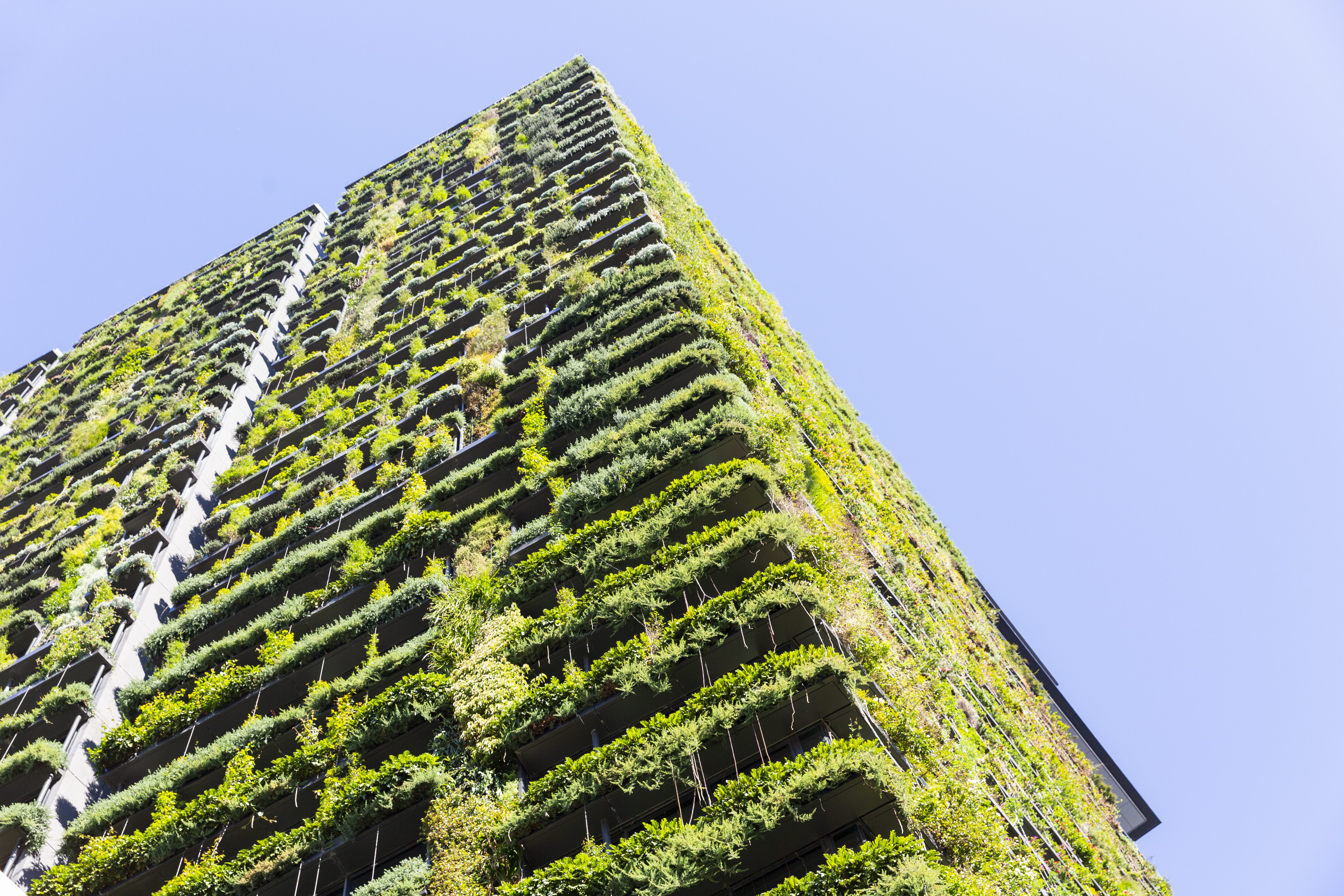
Below I share a comprehensive view of why energy-efficient design is no longer optional for forward-looking businesses. I’ll draw out practical benefits, compliance realities, and the human side of design so you get a full sense of why organizations are investing in smarter workplaces.
Operational efficiency: savings that compound
Energy efficiency begins with a simple truth: lower energy use equals lower operating costs. But it’s not just a one-time saving. When I look at buildings redesigned with high-performance insulation, smarter HVAC systems, and zoned lighting, the pattern is predictable — consistent reductions month after month. That steadiness matters to finance teams because predictable operating expenses make forecasting and planning easier.
Good design teams think beyond quick fixes. They measure, model, and choose materials and systems that deliver sustained performance. The ROI shows up not only on utility bills but also in reduced maintenance costs and longer lifecycles for equipment. In short, energy-efficient design converts volatile expense lines into manageable, predictable ones — and that’s powerful for any business.
Compliance: staying ahead of rules and incentives
Regulation around energy and building performance is moving fast. From local codes to international ratings like LEED or IGBC, there are real standards companies must meet — and real incentives when they do. I’ve seen businesses avoid fines and unlock tax credits simply because they planned for compliance during the design phase, rather than treating it as an afterthought.
Beyond avoiding penalties, energy-conscious design makes environmental, social, and governance (ESG) reporting cleaner and more credible. Investors and partners increasingly expect proof: buildings that can show verifiable performance metrics help satisfy those stakeholders. For companies that want to demonstrate transparency and responsibility, designing with compliance in mind is both risk management and reputational capital.
Productivity: design that helps people work better
This is where design stops being only about infrastructure and starts being about people. Energy-efficient choices often overlap with healthy, comfortable workplaces: ample daylighting, better ventilation, acoustic treatments, and temperature zoning. I’ve talked to employees who say they’re noticeably more focused and less tired in offices that prioritize natural light and fresh air.
Lower absenteeism and higher retention are quietly huge benefits. If a workspace reduces employee stress and fatigue, it pays back through sustained productivity gains and lower hiring costs. For employers competing for talent, an energy-smart office becomes a tangible part of the employee value proposition.
Brand reputation: sustainability as a differentiator
Sustainability is no longer an optional part of brand storytelling — it’s a credibility marker. When I profile companies that have made visible, verifiable moves toward greener workplaces, those firms tend to win praise both publicly and in their industry circles. Clients and customers notice when the businesses they work with build responsibly.
An eco-designed office communicates values: that a company thinks long term, cares about community impacts, and invests in quality. These messages matter to partners, clients, and prospective hires. Strategically, energy efficiency becomes a public expression of corporate responsibility that strengthens brand equity.
Scalability and future readiness
One of the smartest things companies can do is design for change. Energy-efficient buildings are often easier to scale: they’re prepared to accept renewable energy sources, integrate electric vehicle charging, and accommodate smart building technologies. Designing with modularity and adaptability in mind reduces friction when future upgrades are needed.
When I advise leaders, I emphasize that flexibility protects them against future regulatory shifts and energy price volatility. Buildings that can evolve — rather than require costly retrofits — are assets that preserve value over time. That forward compatibility is an investor-friendly trait and it makes operational planning simpler as businesses grow.
The human ROI: talent, health, and culture
Numbers matter, but so does culture. Energy-efficient workplaces send a message inside the company: that leadership cares about employee well-being and about doing business responsibly. That message becomes part of daily culture, shaping how teams feel about the company and, ultimately, how they perform.
From my conversations with managers and designers, the companies that invest in sustainable design report stronger internal pride and alignment. That cultural uplift is harder to quantify but it’s real — and it compounds over time through higher engagement and lower churn.
Practical steps I recommend
If you’re considering an energy-efficient redesign, here are steps I’d take based on what I’ve learned:
- Start with measurement: install submeters and baseline energy use before big changes.
- Prioritize lighting and HVAC upgrades — they usually give the fastest, most noticeable returns.
- Design for daylighting and occupant comfort: the human benefits come quickly.
- Build flexibility: allow space for future renewables, EV charging, and IoT integration.
- Engage stakeholders early — finance, facilities, HR, and sustainability — so the design solves real business needs.
These moves aren’t glamorous, but they work. They’re the kind of practical investments I see deliver steady, long-term gains.
Final thoughts: efficiency as an investment, not a cost
When I step back, what strikes me is how energy-efficient design reframes the conversation about offices. It moves us from seeing a workspace as a cost center to seeing it as a strategic asset that drives financial stability, regulatory readiness, employee health, and brand strength.
If you’re renovating or building anew, consider energy efficiency a core design criterion — not a nicety. The benefits touch every part of the business, and they compound over time. Partner with designers who think holistically: those who measure outcomes, prioritize occupant well-being, and plan for the future. Do that, and your workplace will pay you back in more ways than one.